 Save
Save There's something about the smell of butter and flour toasting in a pan that always pulls me back to a Tuesday evening when my roommate surprised me with homemade mac and cheese—not the box kind, but the real deal with a crackling golden top. I'd never thought to make it from scratch before, convinced it was some elaborate culinary feat, but watching her whisk that creamy sauce together in maybe twenty minutes changed everything. Now it's my go-to when I want to feel like I'm taking care of myself or showing up for someone else at the dinner table.
I made this for my sister's book club last spring, and honestly, it disappeared before the main course even came out—four grown adults reaching for seconds while debating the plot twist in chapter seven. That's when I realized mac and cheese isn't just comfort food; it's the thing people actually remember about the meal.
Ingredients
- Elbow macaroni (250 g): The shape matters more than you'd think—those little tubes trap sauce in every bite, so don't swap for penne or rigatoni unless you enjoy a drier dish.
- Unsalted butter (2 tbsp, plus 1 tbsp for topping): Using unsalted gives you control over the salt level; salted butter can throw off the balance of your sauce.
- All-purpose flour (2 tbsp): This is your thickening agent, so don't skip it or rush past the roux stage—those few minutes of cooking the flour in butter make the sauce silky instead of gluey.
- Whole milk, warmed (500 ml): Cold milk added to a hot roux creates lumps; warming it first is the quiet trick that separates smooth sauce from disaster.
- Sharp cheddar cheese, grated (200 g): Go for the aged stuff if you can—it has more flavor punch and actually melts better than mild cheddar.
- Gruyère or mozzarella (50 g, optional): This secondary cheese adds complexity and creaminess; if you skip it, you won't ruin anything, but you'll miss a layer of richness.
- Mustard powder (½ tsp): Trust this ingredient even if you think it sounds weird—it amplifies the cheese flavor without making anything taste like mustard.
- Ground black pepper and salt (¼ tsp and ½ tsp): Season gradually and taste as you go; under-seasoned cheese sauce tastes flat and forgettable.
- Panko breadcrumbs (40 g): Panko stays crunchier and more golden than regular breadcrumbs, and that texture is what makes the baked version sing.
- Parmesan cheese, grated (2 tbsp, optional): A light dusting adds a sharp, salty contrast to the sweet, rich pasta underneath.
Tired of Takeout? 🥡
Get 10 meals you can make faster than delivery arrives. Seriously.
One email. No spam. Unsubscribe anytime.
Instructions
- Get your water boiling:
- Fill a large pot with salted water and bring it to a rolling boil—you want it aggressive enough that the pasta moves around freely as it cooks. Salt the water generously; this is your only chance to season the pasta itself.
- Cook the macaroni just right:
- Add your pasta and cook it about one to two minutes less than the box says, until it still has a tiny bite to it. It'll continue softening in the hot cheese sauce, so stop before you think you should.
- Make your roux:
- Melt butter in a medium saucepan over medium heat, then sprinkle in the flour and whisk constantly for about a minute or two until it looks like wet sand and smells a little toasty. This cooking step is crucial—raw flour in your sauce tastes grainy and disappointing.
- Add the milk slowly:
- Pour the warm milk in gradually while whisking so everything stays smooth and lump-free. If you pour it all at once, you'll have little flour pockets that never fully dissolve, no matter how hard you whisk.
- Thicken the sauce:
- Keep stirring over medium heat until the sauce thickens enough to coat the back of a spoon, about three to four minutes. You'll see little bubbles breaking on the surface when it's there.
- Stir in the cheese:
- Remove from heat and add both cheeses, stirring until they're completely melted and the sauce is silky. Season with the mustard powder, black pepper, and salt, tasting as you go.
- Combine everything:
- Add the drained pasta to the cheese sauce and stir until every piece is coated in that creamy sauce. This is your moment to ensure nothing's sticking to the bottom of the pan.
- Bake or serve:
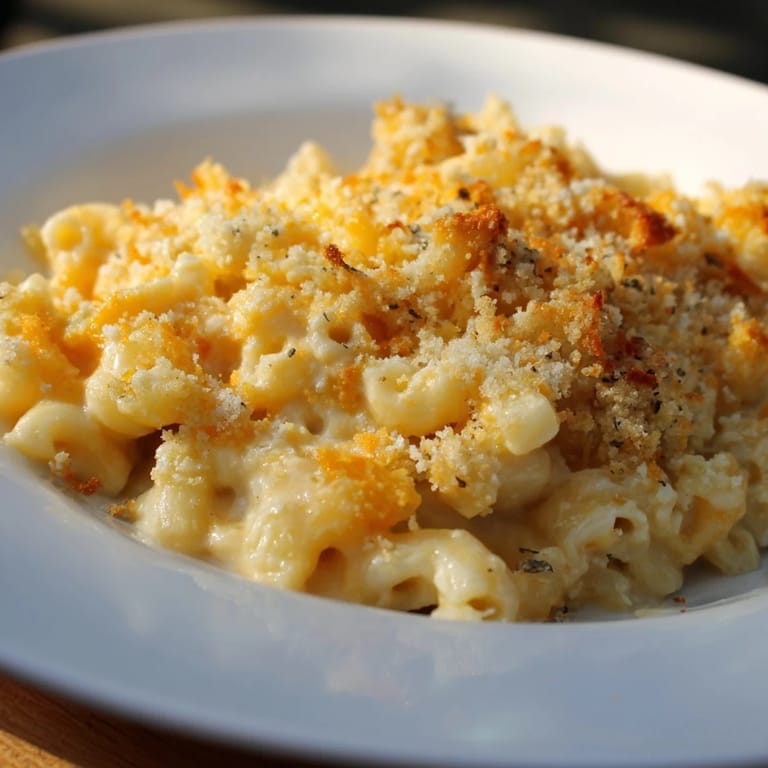
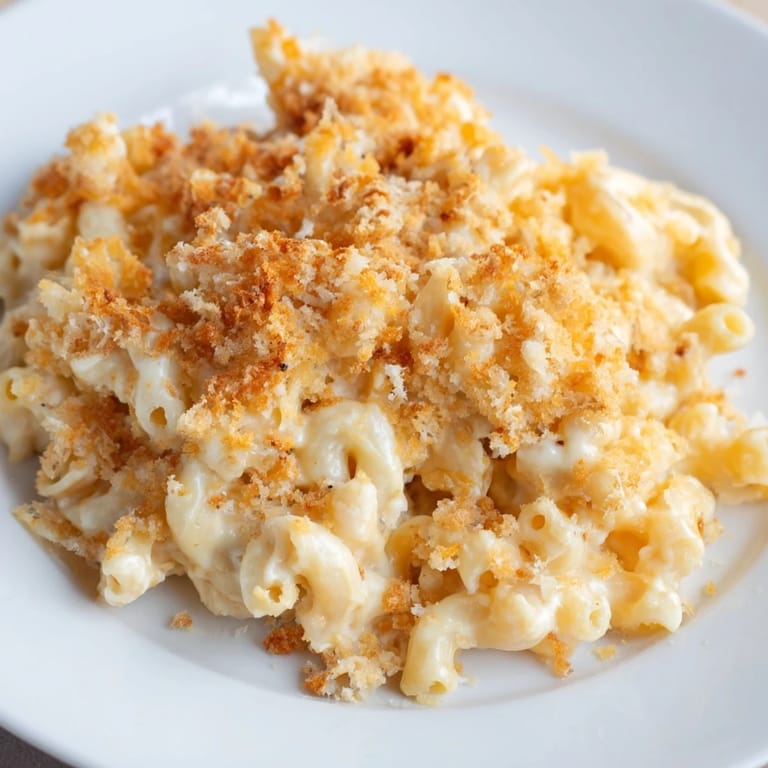
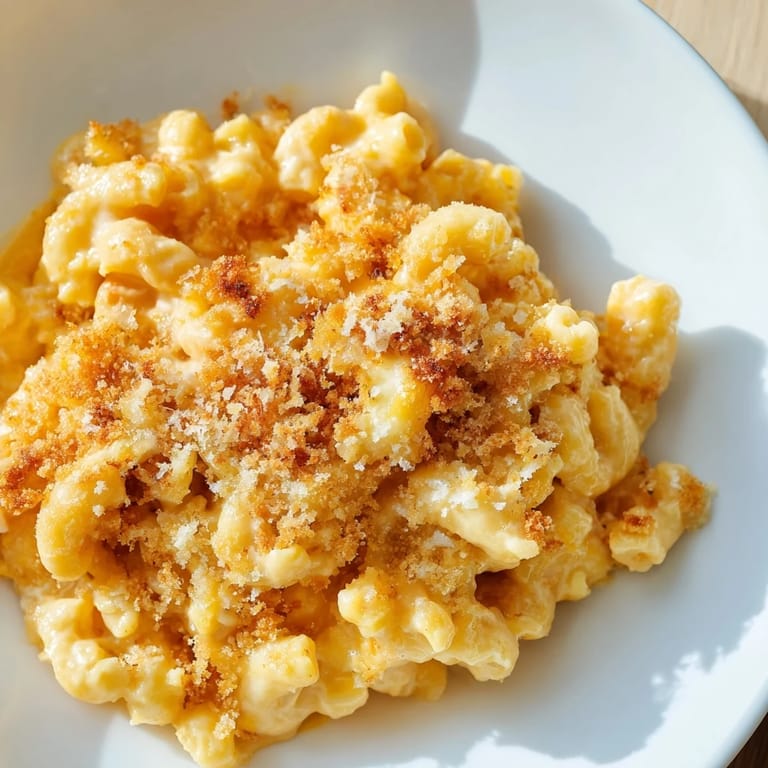
- For stovetop, serve immediately with an extra pinch of cheese on top. For baked, transfer to a greased baking dish, mix the melted butter with breadcrumbs and Parmesan, sprinkle on top, and bake at 200°C for fifteen to twenty minutes until the top turns golden brown and crispy.
 Save
Save There's a moment right when you pull the baking dish out of the oven and the kitchen fills with this combination of toasted butter and melted cheese that feels like home, no matter what your actual home looks like. That's the moment this dish stops being just dinner and becomes something people talk about later.
Stovetop vs. Baked
The stovetop version is creamy and immediate—perfect for a quick weeknight when you want comfort without the extra step. The baked version takes another fifteen minutes but gives you that contrast between crispy top and creamy center that feels more intentional, more special. Pick whichever matches your mood.
Flavor Variations That Actually Work
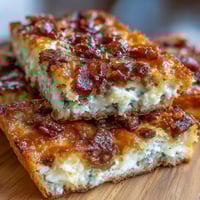
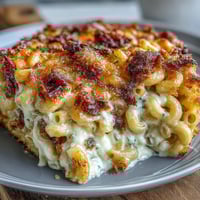
Crumbled bacon stirred through before baking adds smoke and salt; caramelized onions bring sweetness and depth; a pinch of cayenne or hot sauce keeps things from feeling one-note. I've also had success adding crispy broccoli or roasted bell peppers for something that feels less heavy but still indulgent. The base cheese sauce is strong enough to support whatever direction you want to take it.
- Swap half the milk for heavy cream if you're feeling decadent and want an even richer sauce.
- Try a mix of cheeses—fontina, smoked gouda, or gruyere solo all bring interesting character to the dish.
- For gluten-free, use gluten-free pasta and cornstarch instead of flour, whisking it into the butter before adding milk.
Storage and Reheating
Leftovers keep in the fridge for three or four days and actually reheat beautifully; a splash of milk in a low oven or gently on the stovetop brings back the creaminess. You can also freeze it, though the texture shifts slightly after thawing—it's still good, just slightly less silky than fresh.
 Save
Save This recipe taught me that the best food is the kind people return to again and again, not because it's complicated, but because it tastes like someone cared enough to do it right. That's what good mac and cheese really is.
Recipe Questions & Answers
- → How to achieve a smooth, creamy cheese sauce?
Start by making a roux with butter and flour, then slowly whisk in warm milk. Cook until thickened before adding cheese to ensure a smooth texture.
- → Can I customize the cheese blend?
Yes, combining sharp cheddar with Gruyère or mozzarella enhances creaminess and adds nuanced flavor layers.
- → What’s the best way to get a crispy topping?
Mix breadcrumbs with melted butter and Parmesan, then sprinkle over the surface before baking at 200°C (400°F) until golden and crisp.
- → How do I prevent the pasta from becoming mushy?
Cook macaroni just until al dente, slightly under the recommended time, and drain immediately to retain texture.
- → Are there flavor variations to try?
Adding crumbled bacon, caramelized onions, or a hint of cayenne pepper can elevate the dish with additional savory or spicy notes.