 Save
Save There's something about the weight of a perfect cheesecake on a plate that makes you stop and appreciate the moment. I first made one on a gray November afternoon when my sister called asking if I could bring dessert to her birthday dinner that weekend, and instead of panicking, I found myself oddly calm. Maybe it was the way the graham cracker crust crumbled between my fingers, or how the cream cheese softened on the counter like it was waiting for me to be ready. That first attempt taught me that cheesecake isn't about rushing—it's about trusting the process and letting time do half the work.
I remember sliding this into the oven and standing there watching through the glass like it might escape, my hands already anxious about the timing. The smell alone had everyone gathering in the kitchen before it was even baked, and I had to shoo my family away promising them it would be worth the wait. Six hours of chilling felt impossible when I was that eager to cut into it, but when I finally did and that first slice came out clean and creamy, I understood why people bake cheesecake over and over.
Ingredients
- Graham cracker crumbs (200 g): Use actual graham crackers if you can, not the chocolate kind—the subtle honey flavor grounds the whole dessert and gives you that satisfying crunch before the creaminess takes over.
- Unsalted butter (100 g): Melted and mixed into those crumbs creates a crust that holds together without being greasy, and you control the salt level entirely.
- Granulated sugar (2 tbsp for crust): Just enough to add a touch of sweetness without making the base cloying.
- Full-fat cream cheese (900 g): Room temperature is non-negotiable—cold cream cheese creates lumps no amount of beating can smooth out, so take it out of the fridge a full hour before you start.
- Granulated sugar (200 g for filling): Beaten properly into the cream cheese, this dissolves into the filling and creates that velvety texture you're after.
- Sour cream (240 ml): This isn't decoration—it adds tang and richness that makes the cheesecake taste like itself, not just like sweetened cheese.
- Large eggs (3): Room temperature so they blend smoothly without scrambling from hitting cold cream cheese, and they create the tender set you need.
- Cornstarch (1 tbsp): A tiny amount that stabilizes the filling and prevents cracks by absorbing moisture.
- Pure vanilla extract (2 tsp): Use real vanilla, not imitation—you'll taste the difference once everything else is silent and the vanilla whispers through.
- Fresh lemon juice (1 tbsp): Brightens the whole thing so it doesn't sit heavy, and cuts through the richness like opening a window.
Tired of Takeout? 🥡
Get 10 meals you can make faster than delivery arrives. Seriously.
One email. No spam. Unsubscribe anytime.
Instructions
- Prepare your pan:
- Preheat the oven to 160°C and grease your springform pan thoroughly, then line just the base with parchment—this keeps the crust from sticking and makes cleanup easier than you'd expect.
- Make the crust:
- Mix graham cracker crumbs, melted butter, sugar, and salt until it feels like wet sand between your fingers, then press it firmly and evenly into the pan and bake for 10 minutes. You want it set but not hard, golden but not burnt.
- Beat the cream cheese:
- This is where patience matters—beat it alone for 2 minutes until it's completely smooth and creamy with no lumps, then add sugar and keep going for another minute. Lumps now mean a grainy cheesecake later, so don't skip this step.
- Add the wet ingredients:
- Mix in sour cream, vanilla, lemon juice, cornstarch, and salt until just combined, stirring gently so you don't incorporate too much air. Overmixing adds air bubbles that collapse during baking and create cracks.
- Add eggs carefully:
- Add them one at a time on low speed, scraping down the bowl after each one—this distributes them evenly without overdoing it. Think of this step as folding them in gently rather than incorporating them aggressively.
- Prepare the water bath:
- Pour the filling over the cooled crust, smooth the top, then place the springform pan inside a larger roasting pan and pour hot water around it until it reaches halfway up the sides. This gentle, moist heat bakes the cheesecake evenly so the center stays creamy instead of becoming dense.
- Bake low and slow:
- Bake for 55 to 65 minutes—you're looking for the edges to be set while the center still jiggles slightly when you gently shake the pan, like a barely-set custard. Every oven is different, so start checking at 50 minutes.
- Cool in the oven:
- Turn off the heat, crack the door open just a few inches, and leave it there for a full hour—this gradual cooling prevents the dreaded cracks from thermal shock. Patience here is what separates a perfect cheesecake from a cracked one.
- Chill overnight:
- Once it reaches room temperature, refrigerate for at least 6 hours or, ideally, overnight—this gives the filling time to set properly and the flavors time to meld. You can actually make this a day ahead without any problems.
- Slice and serve:
- Use a hot, clean knife dipped in water and wiped between each slice—this prevents the cheese from dragging and gives you clean edges that actually look like you know what you're doing.
 Save
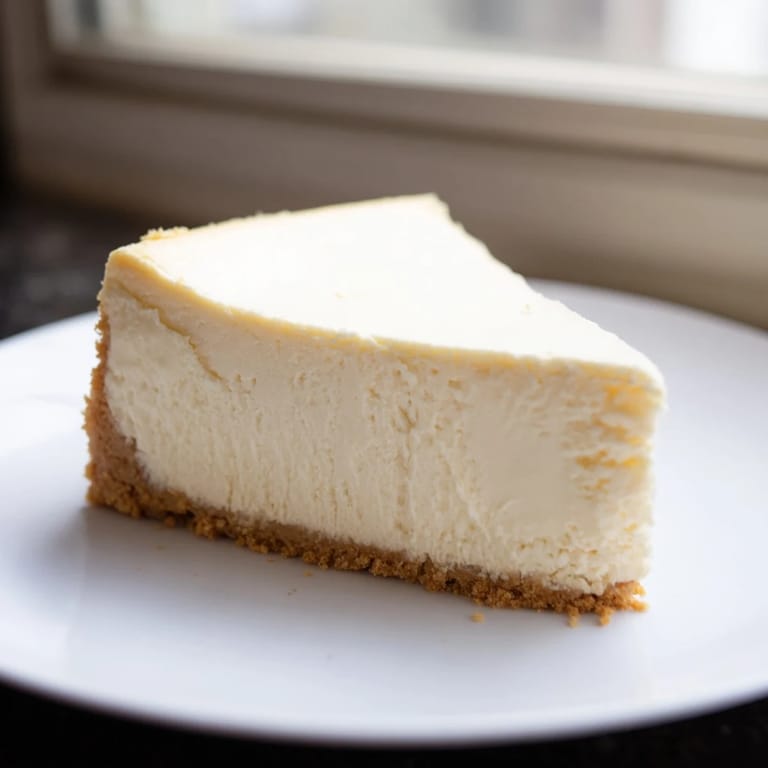
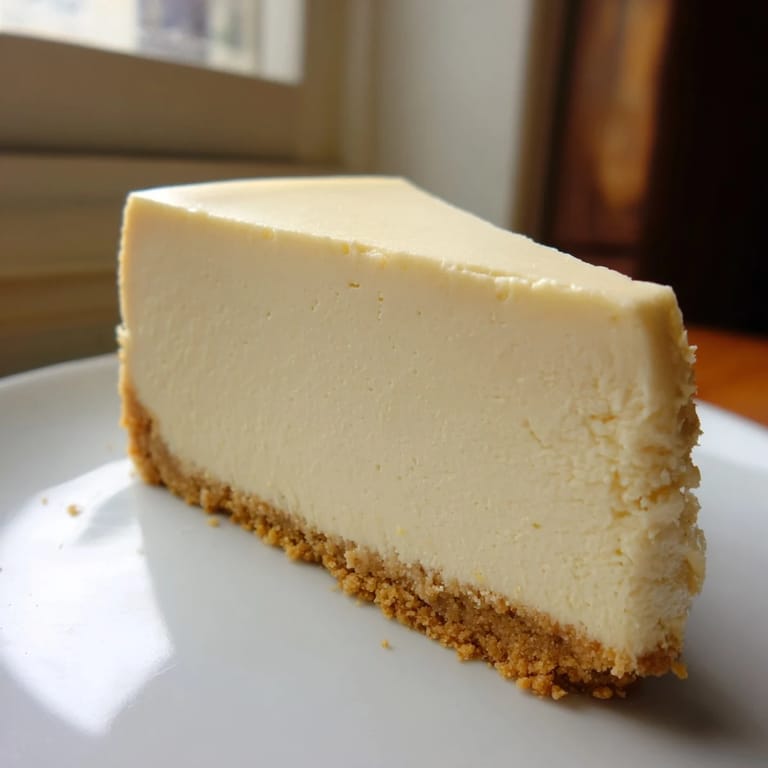
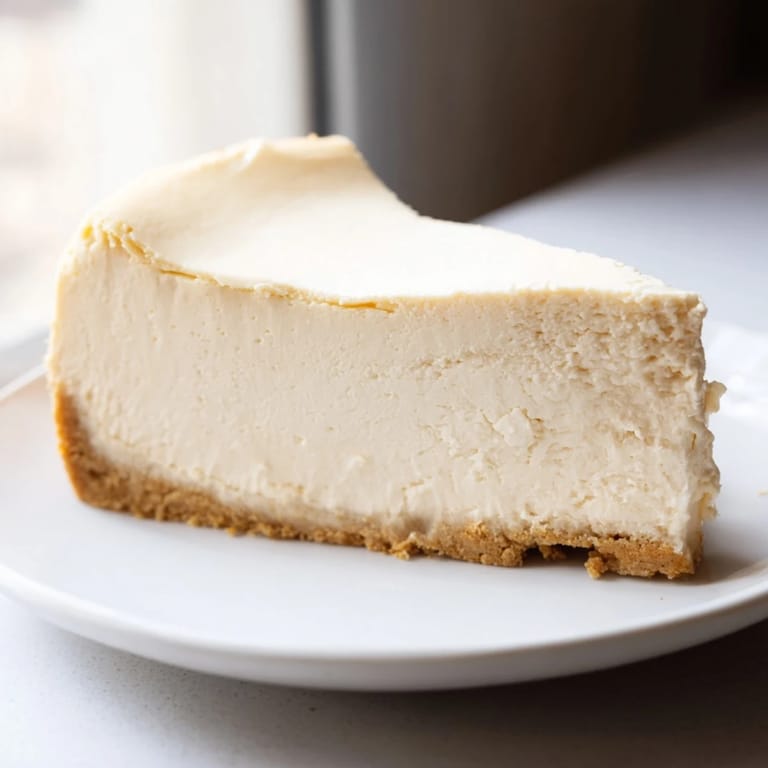
Save I'll never forget pulling that first perfect cheesecake out of the oven—no cracks, just a gentle jiggle in the center and the smell of toasted cream and lemon filling the kitchen. Watching people taste it, seeing their eyes close for just a second before they asked for a second slice, that's when I realized this wasn't just a dessert recipe, it was a tiny edible miracle.
Why Temperature Matters
Cold ingredients won't blend smoothly no matter how hard you beat them, and they throw off the baking time because the filling takes longer to set in the oven. I learned this the hard way when I grabbed cream cheese straight from the fridge and ended up with a grainy texture that haunted me for weeks. Now I set out all my ingredients an hour before I start, and it's changed everything about how these turn out.
The Water Bath Secret
The water bath isn't just tradition—it's the difference between a cheesecake that's creamy all the way through and one that's dense and cracked. Hot water conducts heat gently and evenly, protecting the filling from the direct heat of the oven that would otherwise set the outside too fast and crack the top. Think of it as giving your cheesecake a warm hug instead of throwing it into a hot room.
Variations and Finishes
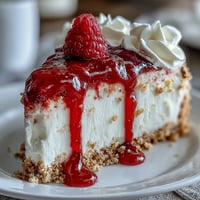
The beauty of a classic cheesecake is that it's a canvas—you can swirl melted chocolate through the filling before baking, add fresh berries on top, or drizzle with fruit compote for brightness. I've learned that whatever you add should complement rather than compete with that creamy, tangy base, so restraint is often the move. The optional sour cream topping is silky smooth and adds a professional finish that makes people think you spent hours in a bakery, not your own kitchen.
- Swirl melted dark chocolate through the filling before baking for a marbled effect that tastes like controlled indulgence.
- Top with fresh berries, lemon curd, or a simple berry compote instead of the sour cream layer for brightness.
- Serve with strong coffee or a dessert wine like late harvest Riesling—they're the perfect foils to the richness.
 Save
Save Cheesecake is patience rewarded, a dessert that tastes expensive because it demands respect for technique and time. Once you nail it, you'll find yourself making it again and again, each time knowing exactly why people have been baking this same recipe for decades.
Recipe Questions & Answers
- → What makes New York cheesecake different?
Its dense, creamy texture and rich flavor come from full-fat cream cheese and sour cream, baked slowly in a water bath to prevent cracking.
- → How do I prevent cracks on the cheesecake surface?
Baking the cheesecake in a water bath and cooling it slowly in the turned-off oven helps maintain a smooth surface without cracks.
- → Can I customize the topping?
Yes, a simple mix of sour cream, powdered sugar, and vanilla makes a classic topping, or fresh fruit and compotes work well too.
- → What is the best way to serve this cheesecake?
Chill it thoroughly, slice with a hot knife for clean cuts, and pair with fresh berries or strong coffee for a balanced treat.
- → Are there any common allergens in this dessert?
Contains dairy, eggs, and gluten from the crust; be cautious if you have allergies and check ingredient labels carefully.