 Save
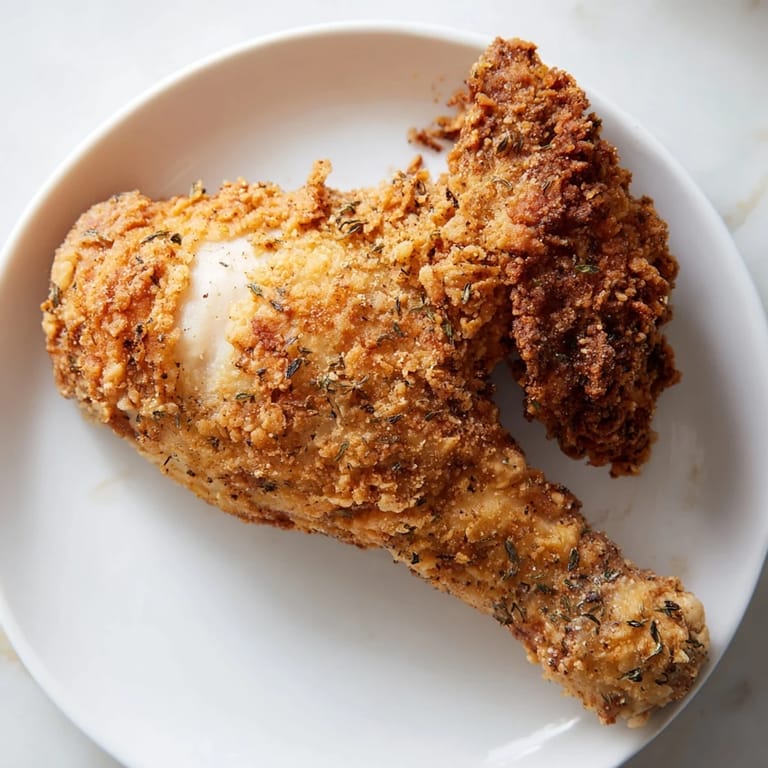
Save My grandmother had this way of making fried chicken that made our whole neighborhood smell like a celebration. She'd stand at her stove with oil crackling in an enormous cast-iron pot, humming while she worked, and somehow every piece came out with this perfectly shattered golden crust that crackled between your teeth. I spent years trying to replicate that magic before I realized it wasn't just technique—it was her patience with the marinade, the respect she paid to temperature, and the quiet confidence that came from making the same dish a hundred times. Now when I make fried chicken, I feel like I'm carrying forward something more than just a recipe.
I made this for my partner's birthday dinner last spring, nervous because they're someone who actually knows food, and they went silent after the first bite. Not in a polite way—in that genuine, slightly shocked way that means you've nailed something. We ended up eating it straight from the platter standing in the kitchen, talking about nothing in particular, and I realized that sometimes the best meals are the ones that let you just be present with someone.
Ingredients
- Chicken (1.2 kg, about 8 pieces), skin-on: Skin-on pieces are essential here—they create a barrier that keeps the meat impossibly juicy while the coating shatters against your teeth. Thighs and drumsticks have more forgiving, forgiving dark meat that's harder to dry out than breasts.
- Buttermilk (240 ml): This isn't just an ingredient, it's the secret. The lactic acid gently tenderizes the chicken while adding a subtle tang that deepens the flavor of everything. If you don't have buttermilk, whisk regular milk with a tablespoon of lemon juice and let it sit for five minutes.
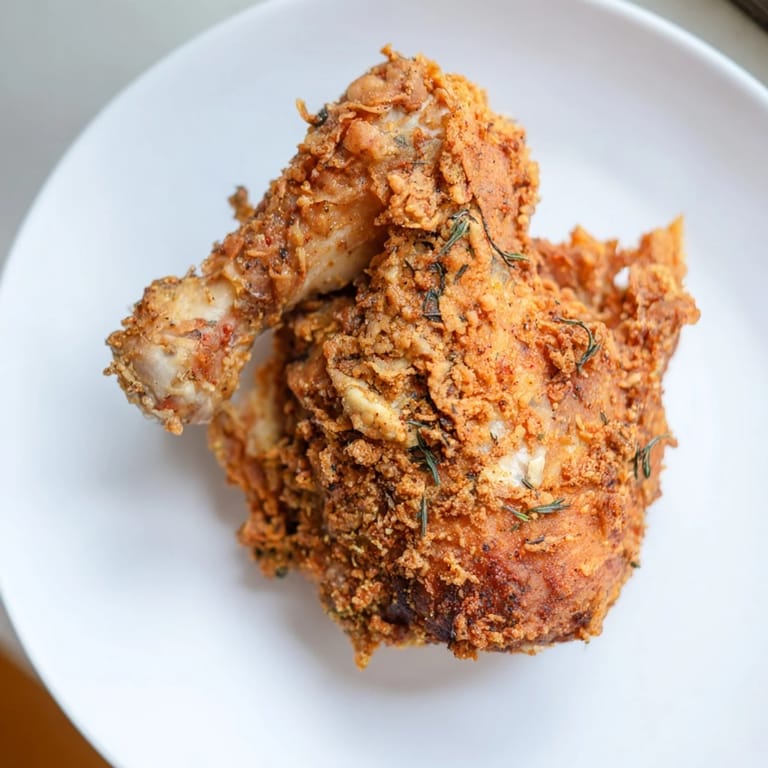
- Seasoned flour coating (all-purpose flour with garlic powder, onion powder, dried thyme, smoked paprika, salt, and black pepper): The combination of sweet, savory, and smoky flavors builds layers that keep your mouth interested. Don't skimp on the paprika—it's what gives that restaurant-quality color.
- Vegetable oil (1 liter): Use a neutral oil with a high smoke point. I've learned the hard way that peanut oil browns faster than vegetable oil, which can make your coating dark before the chicken cooks through.
Tired of Takeout? 🥡
Get 10 meals you can make faster than delivery arrives. Seriously.
One email. No spam. Unsubscribe anytime.
Instructions
- Build your marinade and prepare the chicken:
- Combine buttermilk, salt, pepper, paprika, and cayenne in a large bowl, then submerge your chicken pieces and turn them a few times until everything's coated. This is where patience pays off—let it sit at least two hours, but overnight transforms the chicken into something almost impossibly tender. The longer it sits, the more the marinade works its way into the meat.
- Mix your flour coating:
- In a separate bowl, whisk together flour, garlic powder, onion powder, thyme, smoked paprika, salt, and pepper until it's evenly combined with no lumps hiding in the corners. This mixture is where the real flavor lives, so taste it on a dry finger to make sure you're happy with the seasoning.
- Dredge with intention:
- Pull each chicken piece from the marinade, let a bit of buttermilk drip off (but not all of it—you want some clinging to the meat), then press it firmly into the flour mixture, turning to coat every surface. The wet surface under the dry coating is what creates those shattered, crispy bits.
- Let the coating set:
- Place your coated chicken on a wire rack and walk away for ten minutes. This resting period lets the flour adhere to the chicken rather than just sitting on top of it, which makes the difference between a coating that sticks around and one that flakes off in the oil.
- Heat your oil to the right temperature:
- Get your oil to 175°C (350°F)—this is non-negotiable. A thermometer here isn't optional; it's the difference between chicken that fries through and chicken that looks golden while staying raw inside. If your oil isn't hot enough, you'll end up with greasy, heavy chicken.
- Fry in batches without crowding:
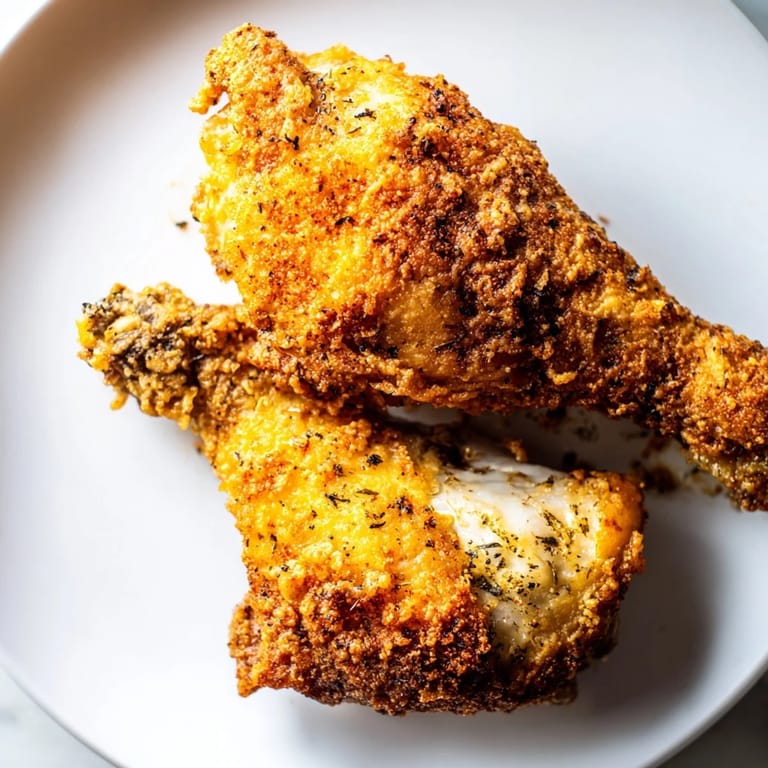
- Work in two or three batches so the oil temperature stays steady. Too much chicken at once cools the oil down, and suddenly you're poaching instead of frying. Turn the pieces occasionally so they brown evenly, cooking for twelve to fifteen minutes until the coating is deep golden and the internal temperature hits 75°C (165°F).
- Drain and rest:
- Transfer your chicken to a wire rack set over paper towels—this keeps it crispy on all sides instead of steaming in its own condensation. Five minutes of resting lets everything settle into place.
 Save
Save There's something about pulling a platter of fried chicken from the kitchen that shifts the energy in a room. People stop scrolling, stop talking about their days, and just become present. I think that's when I understood that the real skill isn't the frying technique—it's knowing that feeding people something golden and crispy and warm is an act of care.
The Marinade Makes Everything
The first time I skipped the overnight marinade and only did two hours, I could taste the difference immediately. The chicken was fine, but it wasn't transcendent. Now I treat the marinade time like a non-negotiable part of the recipe, not a shortcut to hurry through. Those extra hours aren't wasted time—they're the chicken absorbing flavor and tenderness at the molecular level. I've started prepping my chicken the morning of, so it marinates all day while I do other things, and by dinner time the magic has fully happened.
Serving and Storage Wisdom
Fried chicken is one of those rare dishes that's almost better cold than hot, which makes it perfect for feeding a crowd or for having leftovers that don't feel like leftovers. I've learned to let it cool completely before storing it, because condensation is the enemy of crispiness. In an airtight container in the fridge, it lasts three days, and reheats beautifully at 190°C (375°F) for about ten minutes if you want to revive the crispiness. But honestly, I usually eat it cold straight from the fridge at midnight, standing in front of the open refrigerator door like I'm checking on something important.
Variations That Keep It Interesting
The beauty of this recipe is that it's a foundation, not a prison. Once you nail the core technique, you can start playing—add a pinch of cayenne to the flour if you like heat, swap the thyme for oregano if you want an Italian lean, or experiment with different spice blends based on your mood. I've made this with everything from Cajun seasoning to za'atar, and the technique holds up every single time because the marinade and the oil temperature are doing the real work.
- For boneless chicken, cut the frying time to eight to ten minutes—thinner pieces cook through much faster.
- Leftover seasoned flour keeps in an airtight container for a few weeks and is perfect for dusting pork chops or fish.
- If you want extra crunch, let your coated chicken sit uncovered in the fridge for thirty minutes before frying—the flour sets into a harder crust.
 Save
Save This recipe has been my comfort through countless dinners, the thing I make when I want to feel capable in the kitchen, and the dish that reminds me why home cooking matters. Every time I nail that golden-brown exterior with the juicy, tender interior, I feel like I'm doing something right.
Recipe Questions & Answers
- → What is the purpose of buttermilk marinade?
Buttermilk tenderizes the chicken and helps the spices penetrate deeply, creating juicy, flavorful meat.
- → How can I achieve extra crispy coating?
Double-dipping the chicken by coating, dipping back into buttermilk, then coating again adds an extra crunchy layer.
- → What oil is best for frying?
Vegetable oil with a high smoke point is ideal for deep frying to ensure even cooking and crispiness.
- → How do I know when the chicken is fully cooked?
Fry until the coating is golden brown and the internal temperature reaches 75°C (165°F) for safe consumption.
- → Can I use boneless chicken pieces?
Yes, but reduce frying time as boneless cuts cook faster to prevent drying out.