 Save
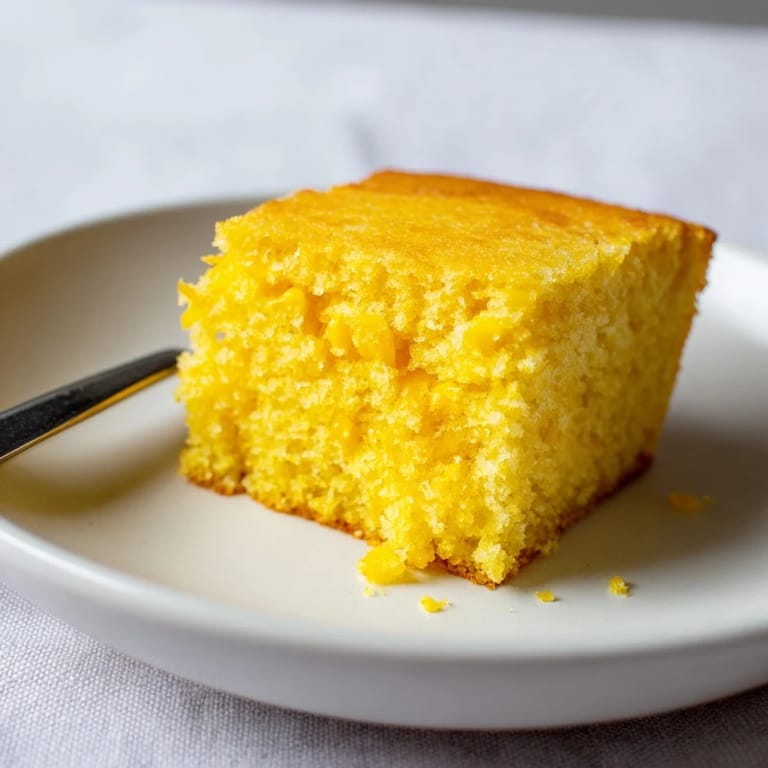
Save My grandmother's cast-iron skillet has been making cornbread longer than I've been alive, and the first time she let me handle it, I was terrified of messing up something so sacred. She laughed and said the beauty of cornbread is that it forgives small mistakes—what matters is getting that batter into a hot pan and letting the oven do most of the work. Now I understand why this simple quick bread became the backbone of so many American tables, from backyard barbecues to quiet weeknight dinners.
I made this for a chili cook-off last fall, and what started as mild panic about bringing something "good enough" turned into people asking for the recipe between bites. Standing in that kitchen watching someone's eyes light up over cornbread felt like a small victory—not because it was fancy, but because it was honest and warm and exactly what the moment needed.
Ingredients
- Yellow cornmeal: The star ingredient that gives cornbread its distinctive flavor and texture; look for a coarser grind if possible, as it creates better structure than ultra-fine meal.
- All-purpose flour: Provides structure without making the crumb dense; don't skip this even though cornmeal does most of the talking.
- Granulated sugar: A quarter cup is the sweet spot for balance—less if serving with very sweet sides, more if you prefer dessert-adjacent cornbread.
- Baking powder and baking soda: Together they create the lift that keeps cornbread tender rather than heavy; make sure yours haven't been sitting in the back of the cabinet for two years.
- Fine sea salt: Three-quarters teaspoon might sound modest, but it amplifies every other flavor without tasting salty.
- Whole milk or buttermilk: Whole milk creates a classic cornbread, while buttermilk adds tang and a slightly more tender crumb if you're feeling adventurous.
- Eggs: They bind everything together and contribute to that custardy interior that makes people come back for seconds.
- Melted butter and vegetable oil: The combination of both keeps the cornbread moist for days; using just one leaves it either greasy or dry.
- Honey: Optional but worth it if you want cornbread that stays tender longer and tastes like someone actually cares.
Tired of Takeout? 🥡
Get 10 meals you can make faster than delivery arrives. Seriously.
One email. No spam. Unsubscribe anytime.
Instructions
- Heat and prepare your pan:
- Get your oven to 400°F and let an 8-inch square pan or cast-iron skillet sit in there for about 5 minutes so it's actually hot when the batter hits. This is the secret handshake that creates that golden crust everyone notices.
- Combine all dry ingredients:
- Whisk cornmeal, flour, sugar, baking powder, baking soda, and salt in a large bowl until they're evenly distributed. Take your time here—you're setting up for success.
- Mix your wet ingredients separately:
- In another bowl, whisk milk, eggs, melted butter, oil, and honey until everything looks homogeneous and smooth. This step takes about one minute and prevents lumps.
- Bring wet and dry together gently:
- Pour the wet mixture into the dry ingredients and stir with a spatula just until combined—the batter should still look slightly rough and streaky. This is the hardest part to resist because your instinct says to keep stirring, but overmixing creates tough, dense cornbread that defeats the purpose.
- Bake until golden:
- Pour batter into your hot pan and bake for 20–25 minutes until the top is deeply golden and a toothpick inserted in the center comes out clean. The house will smell incredible around minute 18.
- Rest before serving:
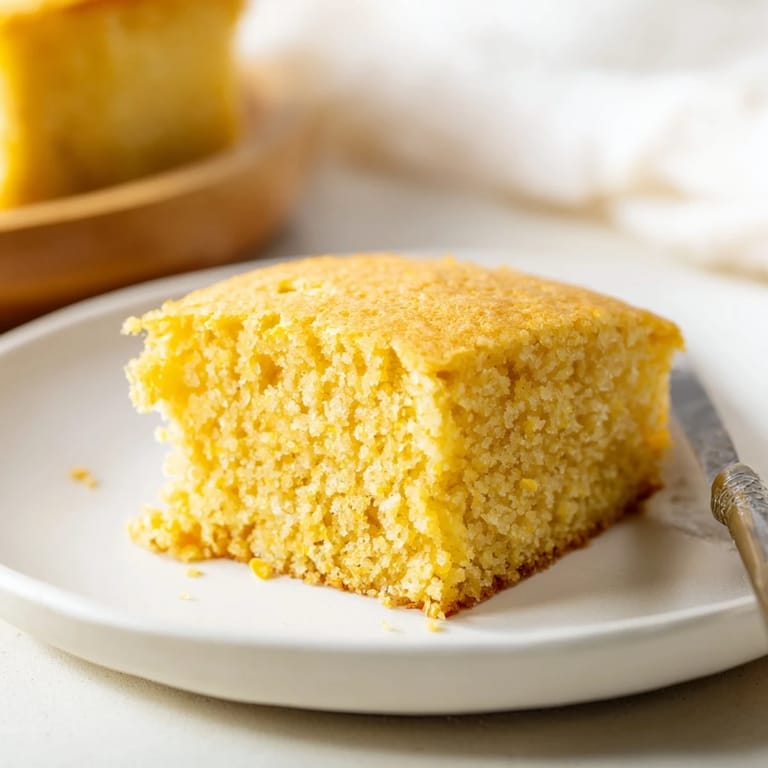
- Let it cool in the pan for 10 minutes—this helps it hold together when you slice it, and honestly, the anticipation makes it taste better.
 Save
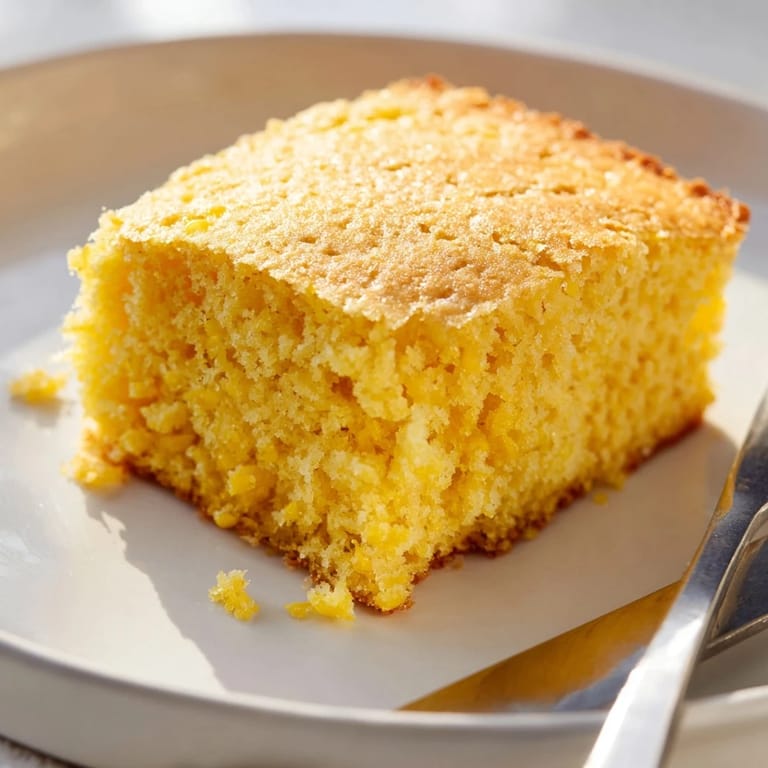
Save There's a moment after cornbread comes out of the oven when the kitchen fills with this golden warmth that makes you want to call people over, not because it's fancy but because it smells like home. That's when cornbread becomes less about a recipe and more about creating an excuse for people to gather.
The Cast-Iron Question
A 9-inch cast-iron skillet is the traditional choice, and there's real science behind it—the metal distributes heat evenly and creates that signature crispy exterior that you dream about. But an 8-inch square baking pan works just as well if that's what lives in your kitchen, and the cornbread will still be delicious even if the bottom isn't quite as dramatic.
Making It Your Own
The base recipe is humble enough to accept additions without complaining—I've added shredded cheddar cheese, fresh jalapeños, and chopped scallions when I wanted to serve it as part of a meal rather than on its own. The key is not going overboard; about one cup of mix-ins is the limit before the batter gets confused about what it's supposed to be.
- Cheddar cheese (about 1 cup shredded) melts beautifully and adds a savory depth that plays well with chili or barbecue.
- Diced jalapeño (one is plenty) brings just enough heat without taking over the show.
- Chopped scallions (about half a cup) add brightness and a slight onion flavor that feels sophisticated without effort.
Storage and Keeping It Fresh
Cornbread stays tender and fresh in an airtight container for three days at room temperature, which is longer than you'd expect for something so buttery. Wrap individual slices in parchment paper if you want to reheat them without them drying out, or honestly, eating it cold straight from the container is a perfectly legitimate breakfast move.
 Save
Save Cornbread is proof that the best things in life don't need to be complicated, just made with a little care and a hot pan. Make this when people are coming over, or make it when you need the house to feel like somewhere worth being.
Recipe Questions & Answers
- → What gives cornbread its golden crust?
The combination of cornmeal and the baking temperature creates a crisp, golden crust while keeping the inside moist.
- → Can I use buttermilk instead of milk?
Yes, buttermilk adds a tangy flavor and reacts with baking soda to improve the texture.
- → How do I prevent the cornbread from being dry?
Mix wet and dry ingredients gently and avoid overbaking to maintain moisture and tenderness.
- → What are good savory additions to enhance flavor?
Adding shredded cheddar, chopped scallions, or diced jalapeños introduces savory complexity.
- → Can I bake cornbread in a cast-iron skillet?
Yes, baking in a cast-iron skillet helps develop a beautifully crisp crust.