 Save
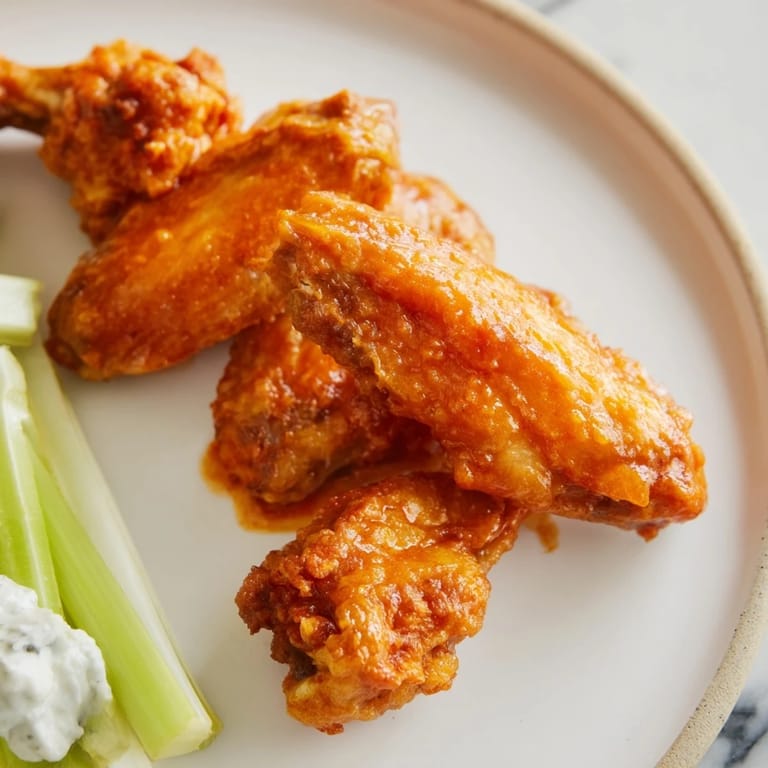
Save There's something about Buffalo wings that instantly transports me back to my college apartment—the kind of place where the kitchen was barely functional, but somehow we managed to pull off the most legendary game-day spreads. My roommate Marcus swore by the double-fry method after one particularly memorable Sunday when we accidentally over-oiled a batch and ended up with the crispiest wings we'd ever tasted. That happy accident became our signature move. Now, whenever I make these, I can still smell that hot oil and hear the sizzle, and I know exactly what I'm getting: crispy, tangy, spicy perfection.
I'll never forget the first time I made these for a real dinner party instead of just throwing them together for myself. I was nervous—Buffalo wings felt too casual for guests, too messy. But the moment those plates came out and people reached for that first wing, there was this collective pause, then pure joy. Someone asked for the recipe, someone else asked if I'd made the sauce from scratch, and suddenly this simple appetizer became the thing the whole evening revolved around. That's when I realized good food doesn't need to be complicated to be memorable.
Ingredients
- Chicken wings (1 kg / 2.2 lbs), separated into drumettes and flats: Separating them matters more than you'd think—they cook evenly and get crispier all over when the joint isn't in the way.
- Salt (1 tsp), ground black pepper (½ tsp), garlic powder (½ tsp): Don't skip the garlic powder; it adds depth that makes people wonder what your secret is.
- All-purpose flour (120 g / 1 cup): Standard flour works perfectly here; no need for specialty blends.
- Paprika (1 tsp): This does two things: adds a whisper of flavor and gives the wings that appetizing golden hue.
- Vegetable oil (1 L / 4 cups), for frying: Use neutral oil with a high smoke point; peanut oil works beautifully if you have it on hand.
- Unsalted butter (60 g / ¼ cup): Unsalted is key so you control the salt level in the sauce.
- Hot sauce (120 ml / ½ cup), like Franks RedHot: This is the backbone of Buffalo sauce; use the real thing, not a generic substitute.
- White vinegar (1 tbsp): The vinegar cuts through the richness and gives the sauce its signature tang.
- Worcestershire sauce (½ tsp): A tiny amount adds umami complexity without being obvious.
- Cayenne pepper (½ tsp), optional: Add this only if you want more heat; the hot sauce already brings plenty of spice.
- Celery sticks and blue cheese dip: These aren't just garnish—they cool your palate and balance the heat beautifully.
Tired of Takeout? 🥡
Get 10 meals you can make faster than delivery arrives. Seriously.
One email. No spam. Unsubscribe anytime.
Instructions
- Prep your wings with precision:
- Pat the wings completely dry with paper towels—moisture is the enemy of crispiness. Season them generously with salt, black pepper, and garlic powder, making sure every piece gets coated evenly.
- Create a light, flavorful coating:
- Mix flour and paprika in a large bowl. Working in batches, dredge the wings until they're lightly and evenly coated, then shake off excess flour over the bowl.
- Get your oil to the perfect temperature:
- Heat oil in a deep fryer or heavy-bottomed pot to 175°C (350°F). Use a thermometer here—too cool and the wings get greasy, too hot and they'll burn before cooking through.
- Fry until golden and cooked through:
- Working in batches so you don't crowd the pan, fry wings for 8–10 minutes until they're deep golden brown and a thermometer reads 165°F at the thickest part. Drain on paper towels immediately.
- Build your Buffalo sauce with balance:
- Melt butter over low heat in a saucepan, then whisk in hot sauce, vinegar, Worcestershire sauce, and cayenne if you're using it. Let it bubble gently for just a minute until everything is combined and warm.
- Coat the wings in that spicy, tangy magic:
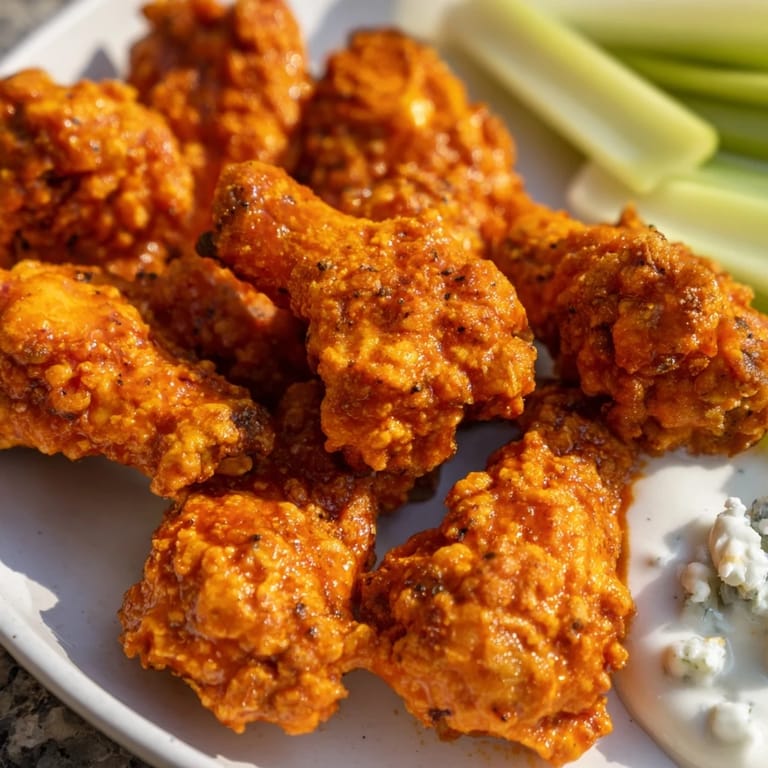
- Transfer fried wings to a large bowl and pour the warm Buffalo sauce over them. Toss gently but thoroughly until every wing is coated.
- Serve while they're still crackling:
- Move to a platter immediately and surround with celery sticks and blue cheese dip. Wings that sit get limp; wings that go straight to the table stay crispy.
 Save
Save My mom asked me once why I make Buffalo wings instead of buying them from a restaurant, and I didn't have a good answer at the time. But now I think it's because there's something about standing in front of that sizzling pot, hearing the oil pop, smelling that spice and butter and vinegar come together—it feels like creating something rather than just ordering it. The finished wings taste better because you made them yourself, but also because you were there for every step.
The Double-Fry Secret
If you've ever had wings that were somehow both crispy on the outside and juicy inside, that's usually the result of double-frying. The first fry cooks the meat through and starts the crisping process. The rest period lets the temperature equalize, and then the second fry pushes the exterior to maximum crunchiness. It sounds fussy, but it takes maybe 15 extra minutes and transforms good wings into restaurant-quality wings. Once you know this trick, you'll never go back to single-frying.
Sauce Temperature Matters
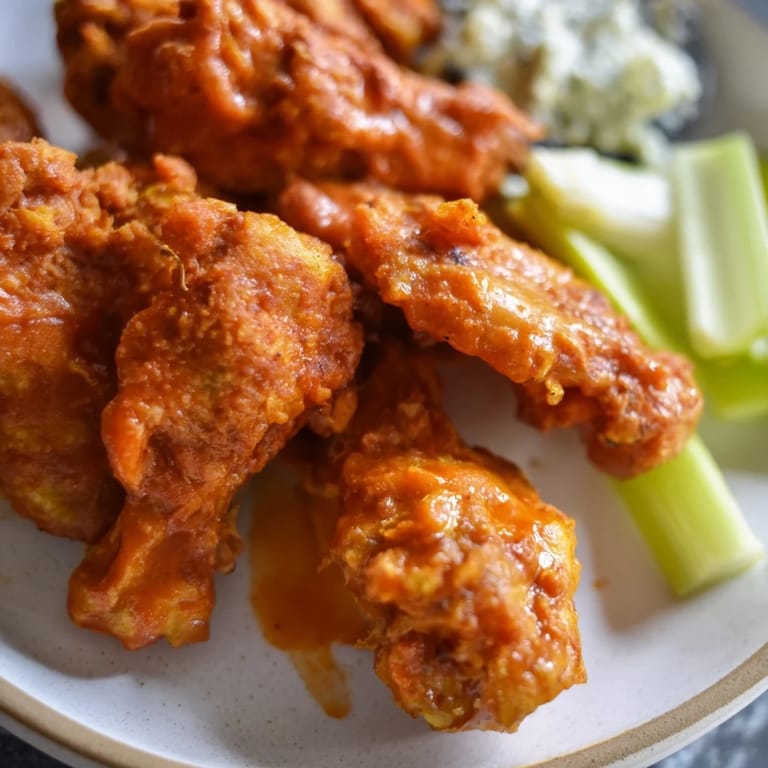
One of my biggest early mistakes was tossing hot wings into cold Buffalo sauce and wondering why it looked like the wings were wearing a glue slick. Warm sauce clings to the hot wings, coats every ridge and crevice, and creates that glossy, evenly-covered finish you're after. If your sauce cools while you're frying, just warm it gently over low heat for a minute—there's no need to rebuild it from scratch.
Beyond the Basic Recipe
Buffalo wings are perfect as they are, but once you understand the formula, you can play with it. Less cayenne or omit it entirely if your guests prefer milder heat. Swap ranch for blue cheese if you know your crowd better that way. Some people drizzle them with a little honey before serving—the sweetness against the spicy-tangy sauce is genuinely striking. Try adding a splash of hot sauce to the flour mixture too if you want the coating itself to have a hint of Buffalo flavor.
- Serve wings immediately; let them sit and they lose their crispiness faster than you'd expect.
- Make the sauce while the wings are frying so everything comes together hot and fresh.
- Have extra celery and dip on hand because people will eat more wings than they plan to.
 Save
Save Buffalo wings are one of those rare dishes that work for a casual Tuesday night, a serious game day, or when you want to impress someone without looking like you tried too hard. Make them once and you'll want to make them again.
Recipe Questions & Answers
- → What temperature should the oil be for frying wings?
The oil should be heated to 175°C (350°F) for optimal frying to achieve a crispy exterior and fully cooked interior.
- → How can I make the wings extra crispy?
Double-frying the wings—first for 7 minutes, resting for 5 minutes, then frying again for 3–4 minutes—results in an extra-crispy texture.
- → Can I adjust the heat level of the sauce?
The cayenne pepper amount can be varied to make the sauce spicier or milder according to your preference.
- → What alternatives are there to blue cheese dip?
Ranch dressing is a common alternative and pairs well with the spicy, tangy wings.
- → How should wings be seasoned before coating?
Pat dry and season wings with salt, ground black pepper, and garlic powder for a flavorful base before coating with flour and paprika.